Analysis of plastic injection mold for lever valve cartridge shell
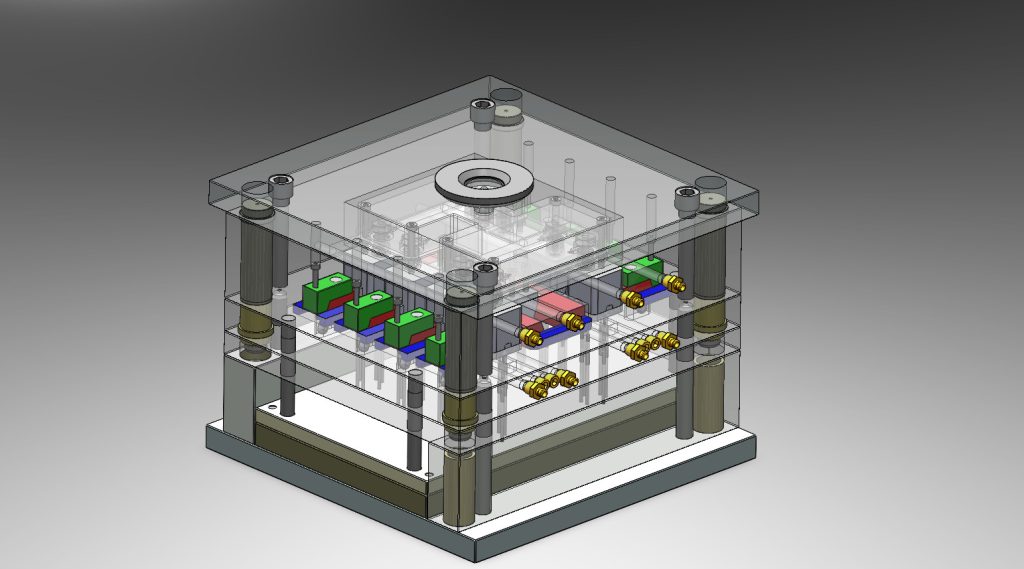
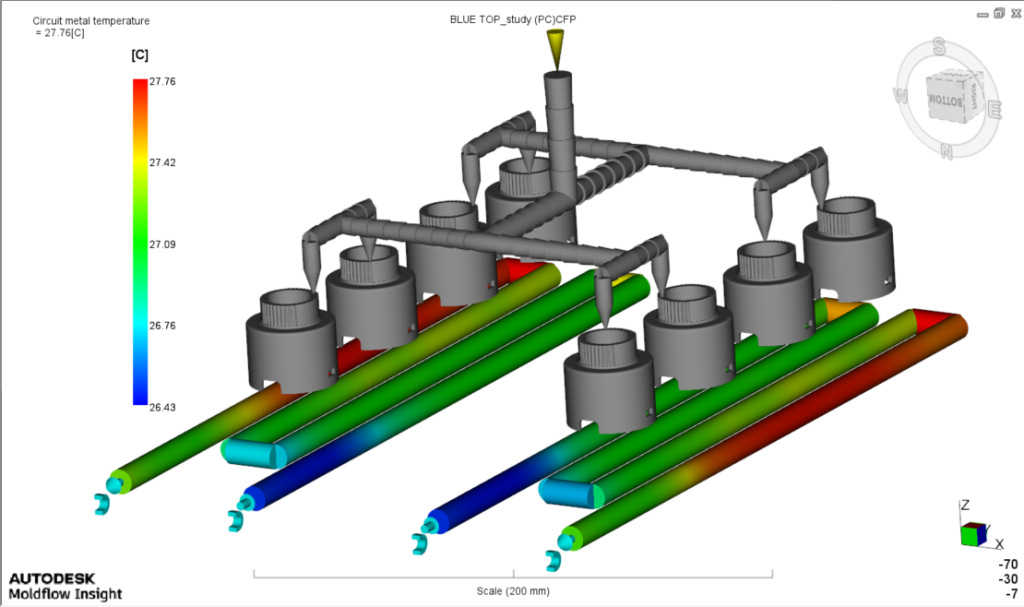
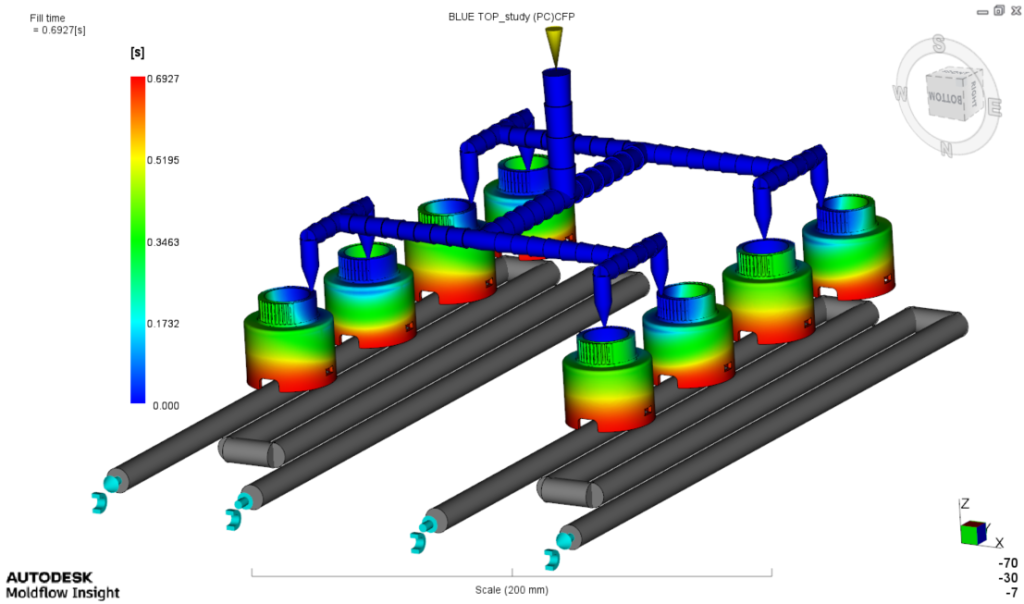
In this project, the injection molding process of a lever valve cartridge shell was simulated and evaluated using Autodesk Moldflow Insight software to accurately evaluate the performance of the mold before manufacturing. The analyses included examining the mold cavity filling pattern, injection time, temperature distribution, injection pressure, gate and cooling system performance, the possibility of weld lines, air entrapment, and part shrinkage. Based on the results obtained, the position of the gates and melt flow paths were optimized to fill all cavities uniformly and increase the quality of parts in mass production. In addition to reducing trial and error during the mold manufacturing stage, this simulation improved the production cycle, reduced waste, increased process stability, and achieved parts with optimal dimensional accuracy and surface quality.
Analysis of flow behavior on dry gas seals with Ansys fluent software
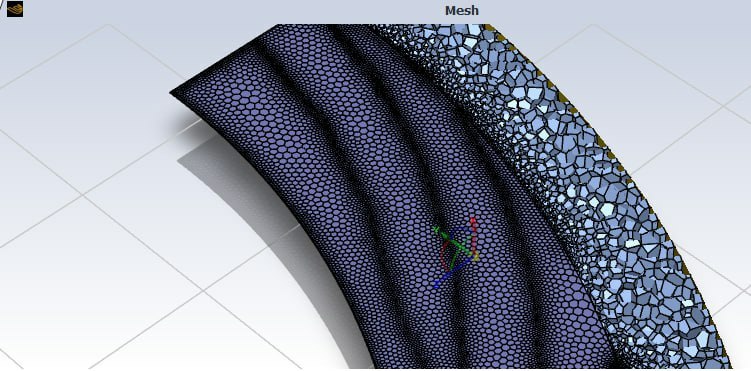
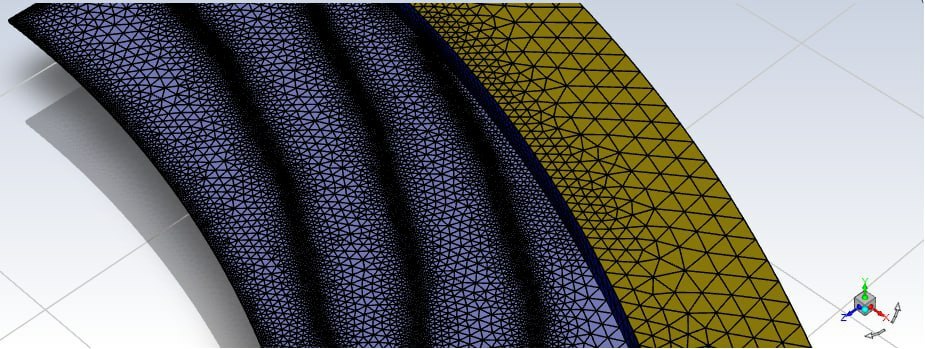
In this project, the fluid flow behavior in the Dry Gas Seal was numerically simulated and analyzed using ANSYS Fluent software to evaluate the hydrodynamic performance of the seal grooves under different operating conditions. The process included creating the geometry, generating a high-quality mesh, defining boundary conditions, and solving flow equations to investigate the pressure distribution, velocity, flow pattern, and gas layer capacity between the sealing surfaces. The analysis results showed the role of groove geometry and operating parameters in creating gas film stability, reducing leakage, preventing surface contact, and increasing seal life. This simulation was used as an effective tool to optimize the design of the Dry Gas Seal and increase the reliability of rotating equipment in the oil, gas, and petrochemical industries.

Spacecraft Fluid Analysis
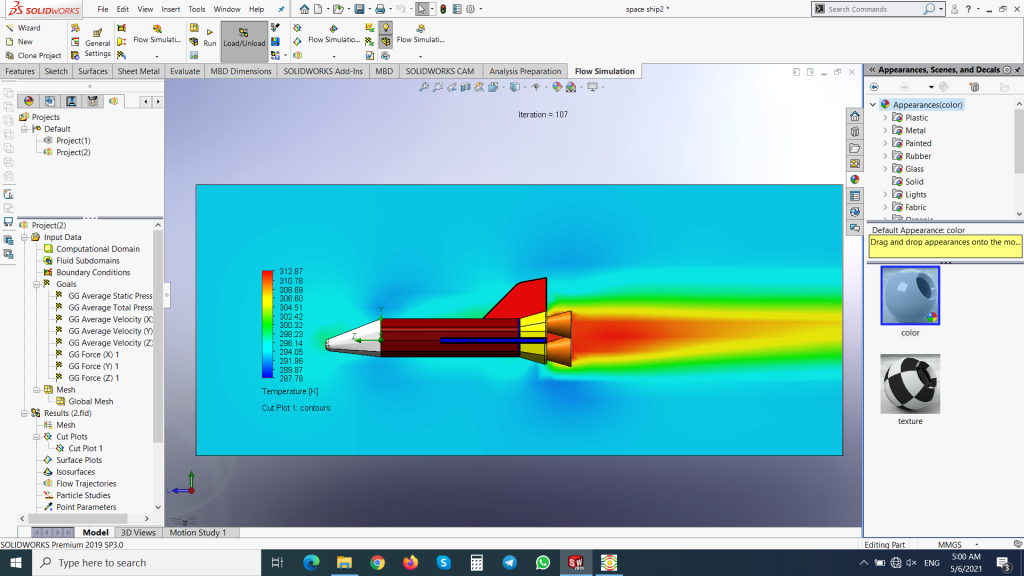
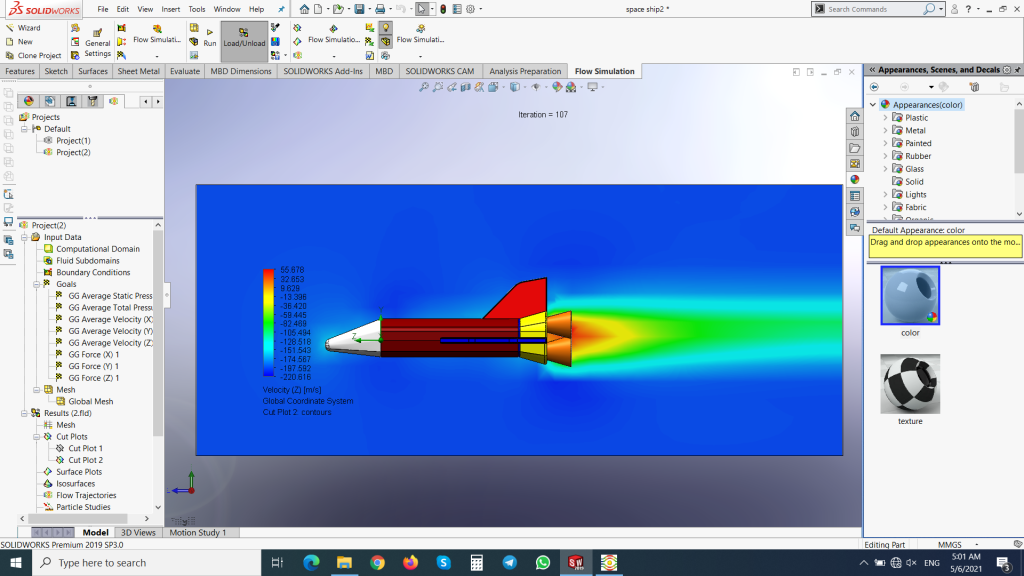
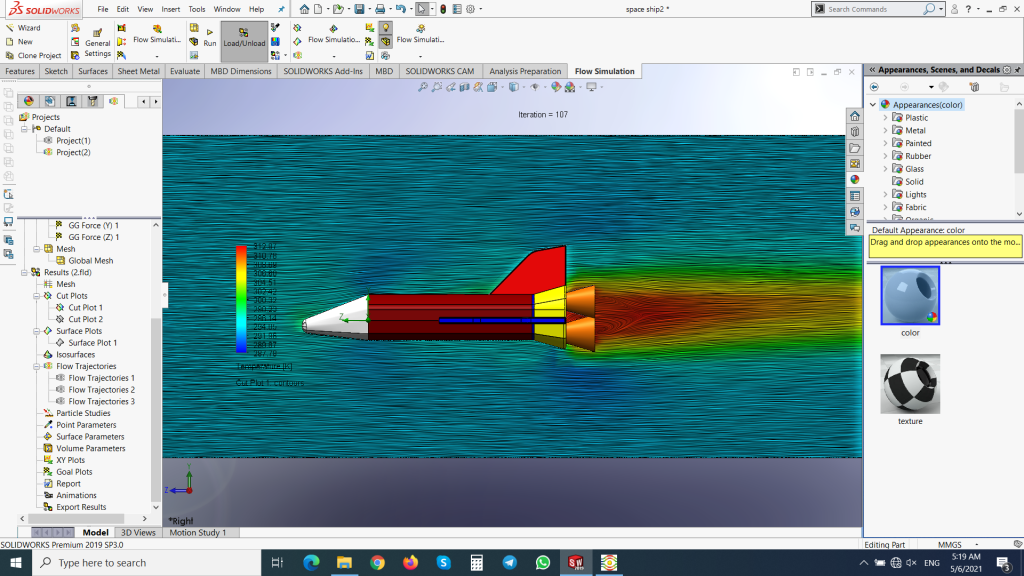
In this project, a computational fluid dynamics (CFD) analysis of a spacecraft model has been performed using the Flow Simulation environment in SOLIDWORKS software. The purpose of this simulation is to accurately investigate the aerodynamic and thermal behavior of the spacecraft in interaction with the fluid flow. As is clear from the graphical results, outputs such as temperature distribution contours in the engine outlet area, velocity profiles around the body, and flow trajectories have been extracted. These analyses provide a comprehensive view of the heat distribution and air resistance, which is very useful for evaluating and optimizing the design of the body and propulsion system of the spacecraft.